%20(1).png?width=2000&height=2000&name=Science%20of%20Reading%20Aligned%20Decodable%20Books%20(2)%20(1).png "Science of Reading Aligned Decodable Books (2) (1)")
.png?width=1080&height=1080&name=Science%20of%20Reading%20Aligned%20Decodable%20Books%20(22).png)
What Is Structured Literacy with E.A.S.E.?
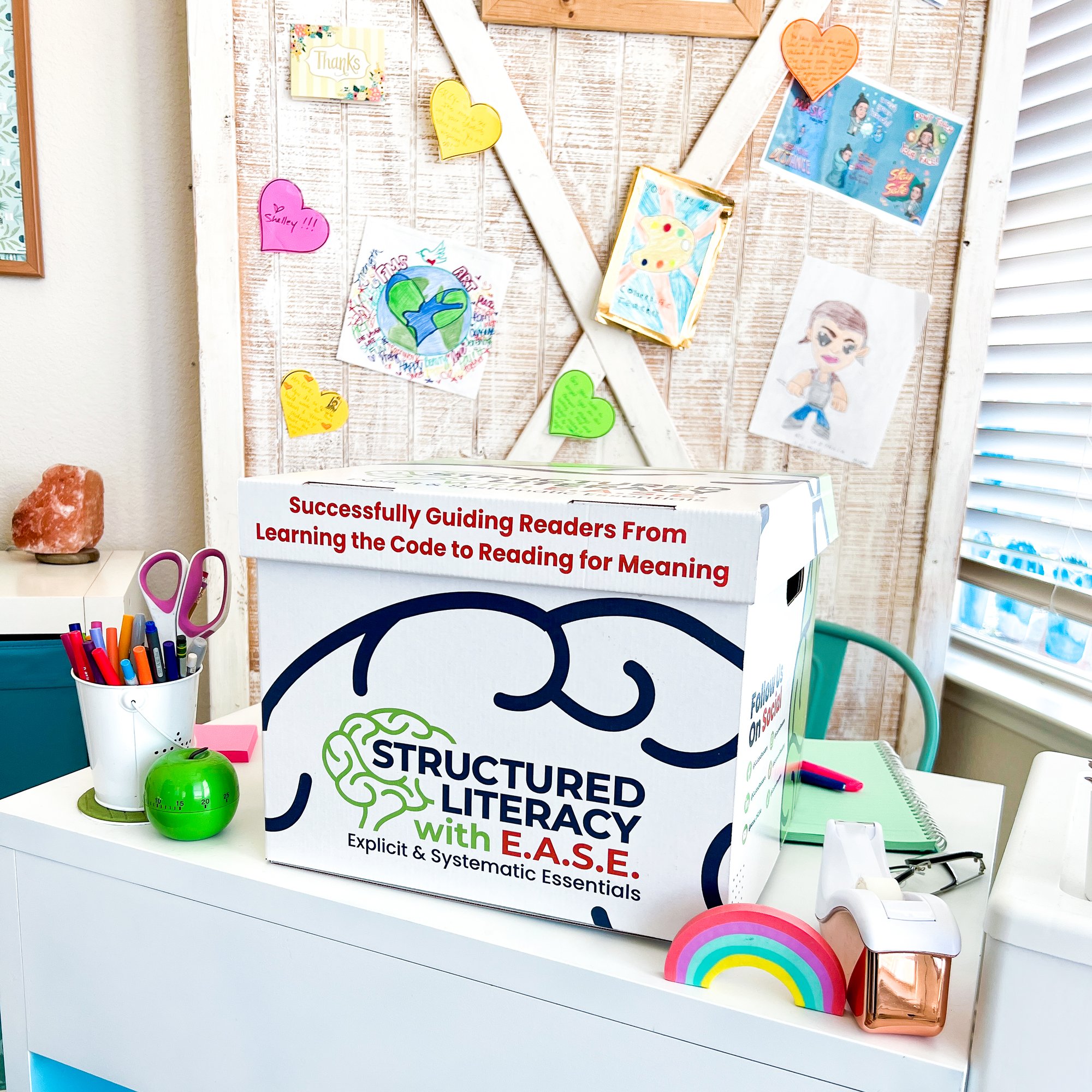
Rooted in the Science of Reading, this foundational reading program provides a clear roadmap to confidently implement practices that align with how the brain learns to read. It addresses all strands of Scarborough's Reading Rope and includes differentiated supports.

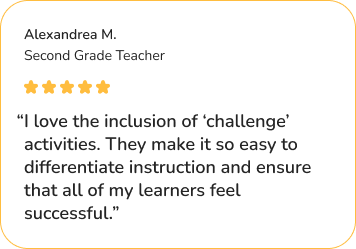
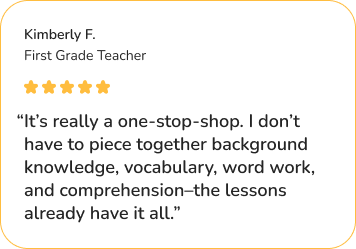
Children first isn't just something we say.
At Laprea Education, Children First isn't just a value, it's the foundation of everything we do. Founded by a veteran teacher with 23 years of classroom experience, our work is driven by a singular mission: to put children at the center and create resources that truly help them learn to read. This commitment comes to life in the Developing Decoders Digital Library, where every decodable book reflects the realities of Tier 1 and Tier 2 instruction. Sign up for free to unlock 100+ titles and lesson plans right away, then build your own bookshelf or unlock full library access whenever you're ready for more, so every child has the support they need to grow into a confident reader.

.svg)
Every Strand, Every Student: How Structured Literacy with E.A.S.E. Brings Scarborough's Reading Rope to Life

.png?width=1200&height=1200&name=Two%20girls%20wearing%20yellow%20backpacks%20(1).png)
.png?width=1080&height=700&name=Developing%20Decoders%20Decodable%20Books!%20(12).png)
A Printable Decodable Book with Every Lesson
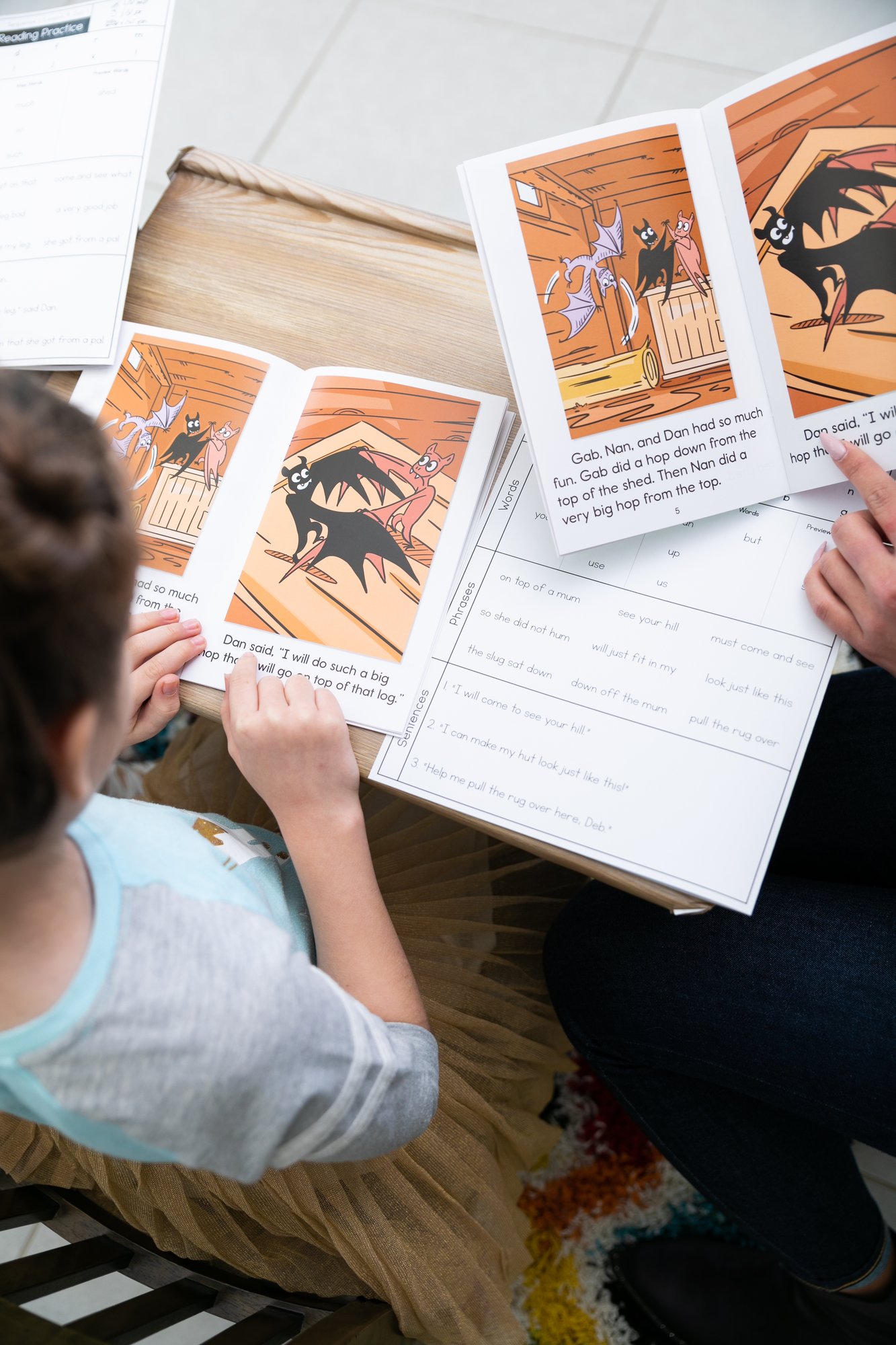
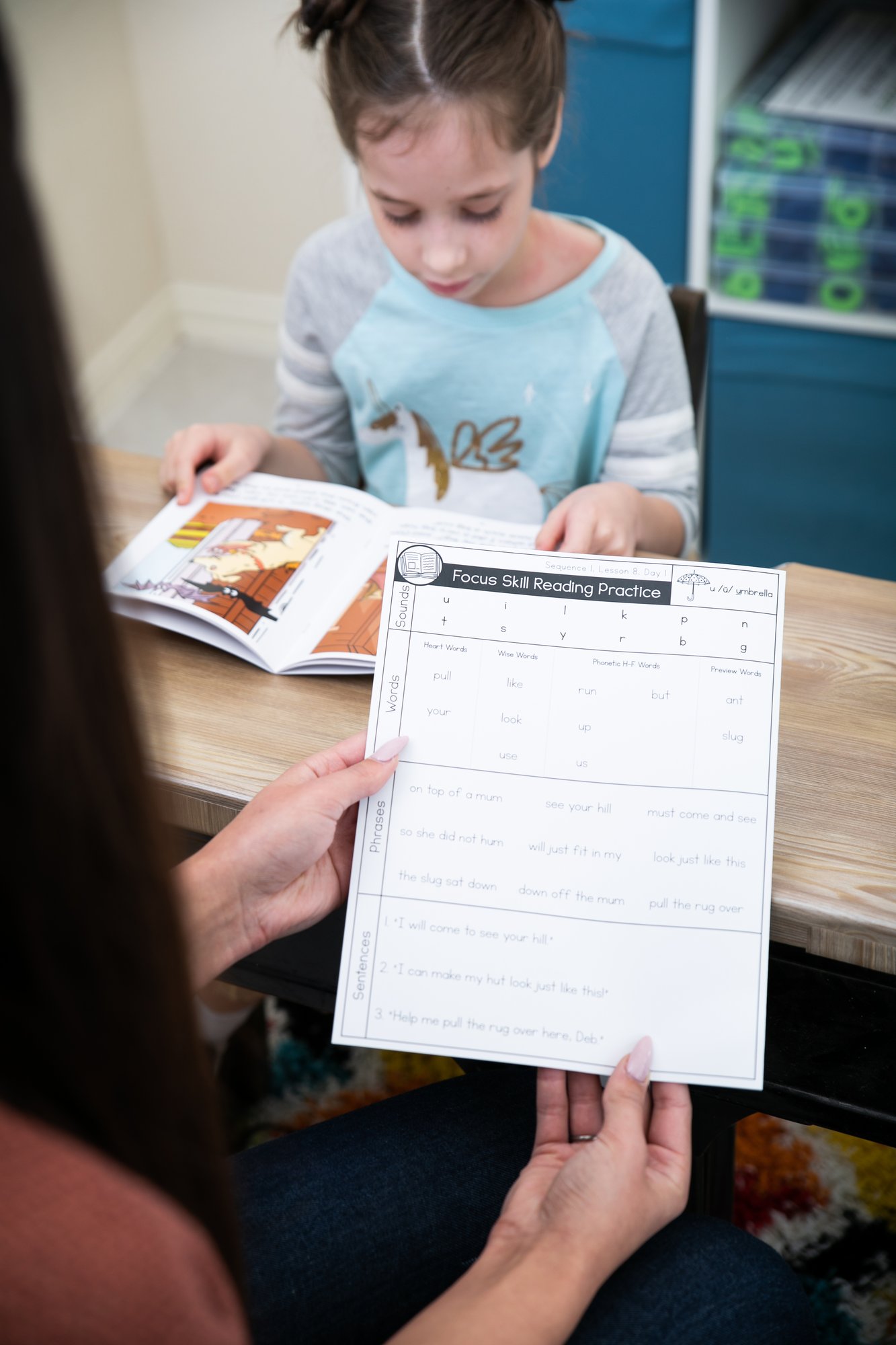
Every lesson comes with a printable decodable book — no extra purchase, no separate library to buy, no hunting for texts that match what you just taught. Just print, read, and watch your students apply exactly what they've learned.
.png?width=1485&height=1485&name=Science%20of%20Reading%20Aligned%20Decodable%20Books%20(23).png)
Begin in the Sound Sequence
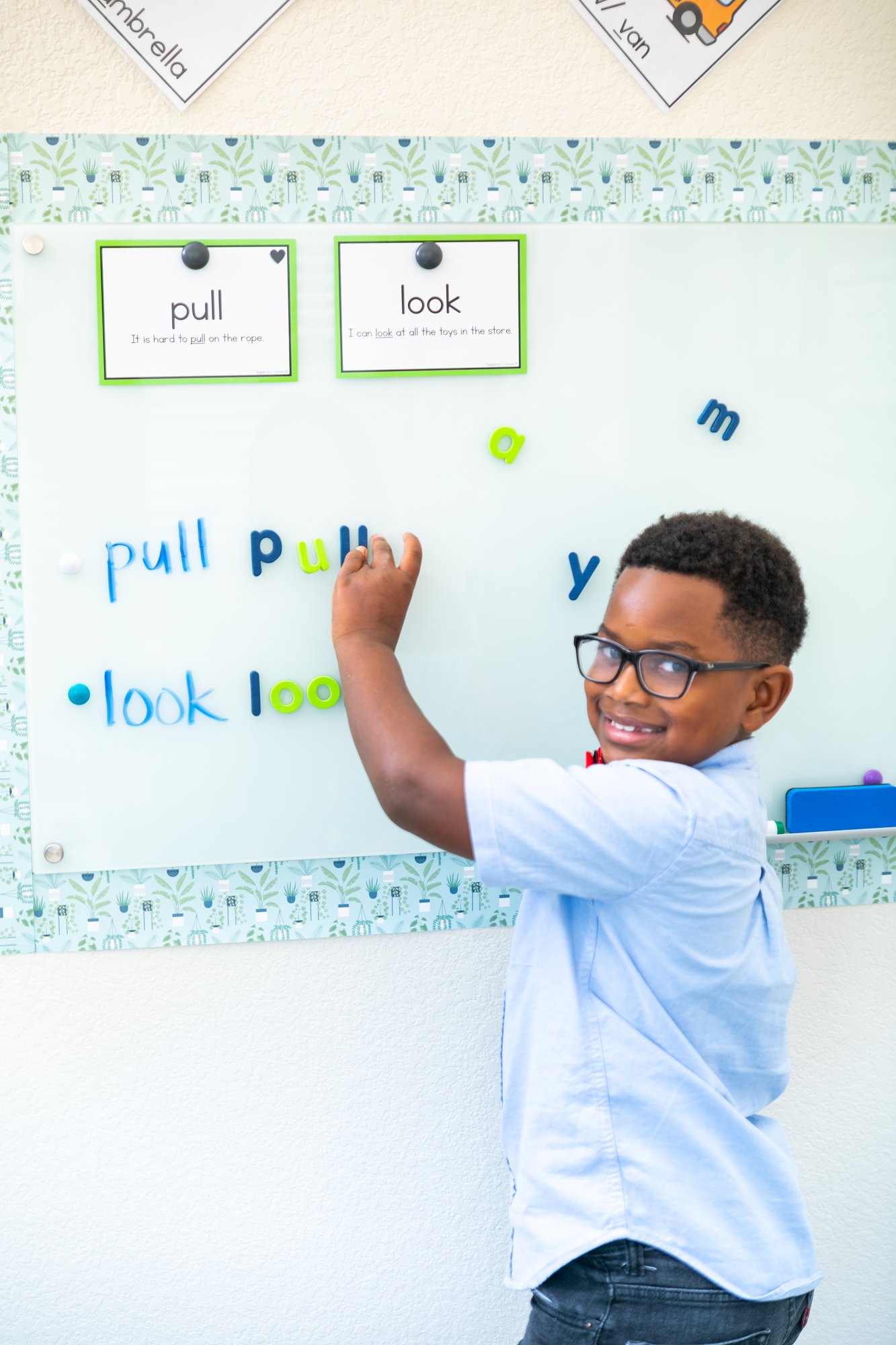
The Sound Sequence is where every reader's journey begins. From the very first lesson, students learn letter sounds alongside handwriting, oral articulation, and concepts of print. Decodable books are introduced early because real reading practice shouldn't wait. By the end of the Sound Sequence, students don't just know their letters and sounds. They know how to be readers.
.png?width=2000&height=2000&name=Science%20of%20Reading%20Aligned%20Decodable%20Books%20(27).png)
Put it All Together in Sequence 1
Sequence 1 is where students build on the foundation of the Sound Sequence and begin applying their phonics knowledge to CVC words, high-frequency words, and connected text through engaging decodable books. Every three-day lesson is packed with phonemic awareness, word mapping, word chaining, encoding, vocabulary, comprehension skills, and verbal reasoning, all woven together so that decoding and understanding develop side by side. By the end of Sequence 1, students are reading more than words; they're reading complete stories.

Read Longer Words in Sequence 2
Sequence 2 is where students move beyond the basics and into the building blocks of more complex words. Building on the CVC foundation from Sequence 1, students dive into digraphs, blends, vowel-consonant-e, and syllable division — unlocking a whole new world of words. Every three-day lesson is packed with the same activities students became accustomed to in Sequence 1. By the end of Sequence 2, students are reading longer words, and they are reading with confidence.
.png?width=2000&height=2000&name=Science%20of%20Reading%20Aligned%20Decodable%20Books%20(26).png)
Read with Deeper Understanding in Sequence 3
Sequence 3 is where readers start to see how vowels really work. Building on the patterns from Sequence 2, students explore vowel teams, r-controlled vowels, and morphology including suffixes, possessives, and contractions, unlocking longer, more complex words than ever before. Every three-day lesson weaves together word mapping, word chaining, phonemic awareness, encoding, vocabulary, comprehension skills, and verbal reasoning, so students grow as both decoders and thinkers. By the end of Sequence 3, students aren't just reading harder words. They're reading with real understanding.
.png?width=2000&height=2000&name=Science%20of%20Reading%20Aligned%20Decodable%20Books%20(24).png)
Become More Independent in Sequence 4
Sequence 4 is where everything comes together. Building on the vowel patterns and morphology from Sequence 3, students tackle advanced vowel patterns, diphthongs, prefixes, suffixes, and every syllable type in the program, giving them the tools to decode almost any word they encounter. Every three-day lesson weaves together word mapping, word chaining, phonemic awareness, encoding, vocabulary, comprehension skills, and verbal reasoning, so students grow as both decoders and thinkers. By the end of Sequence 4, students aren't just reading complex words. They're reading anything.
.jpg?width=2000&name=SoundLifestyle-14%20B%20(1).jpg)